Google Gemini Now Controls Humanoid Robots
Google Gemini Now Controls Humanoid Robots
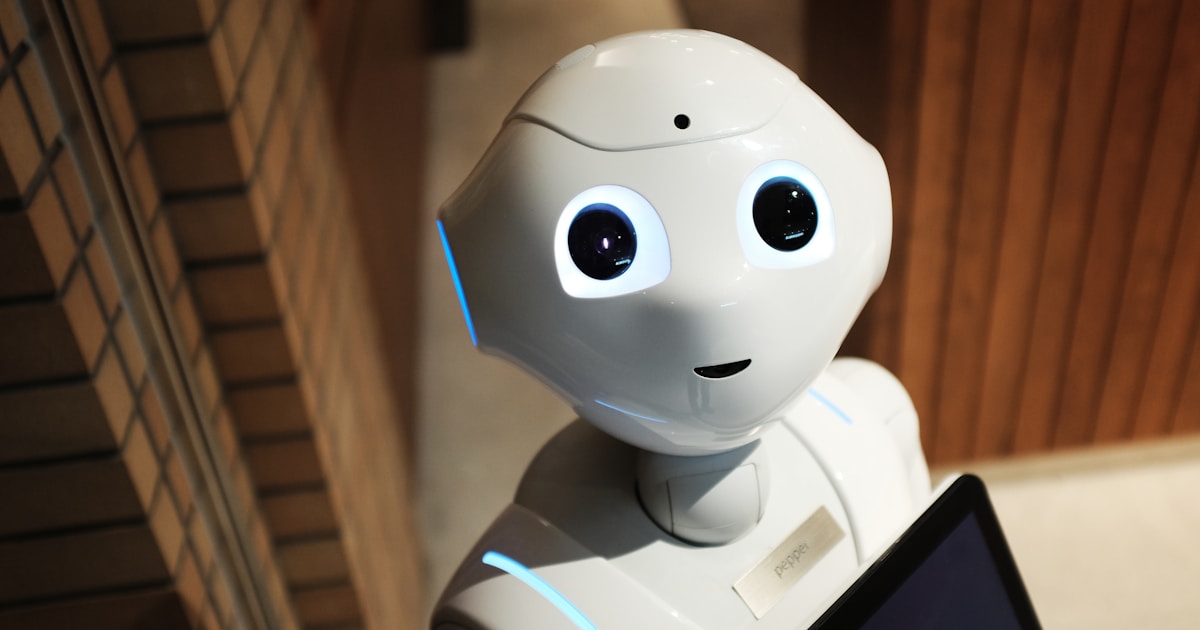
The gap between AI that thinks and AI that acts in the physical world just got smaller. Google's latest Gemini model can now control humanoid robots using natural language instructions. Tell the robot what to do in plain English, and it does it. No programming. No specialized commands. Just conversation.
This is not a lab curiosity. Google demonstrated the system performing real tasks: organizing objects, following multi-step instructions, and adapting to changes in the environment. The era of end-to-end AI embodiment has arrived.
How It Works
Traditional robotics relies on explicit programming. Engineers write code specifying every movement, every sensor reading, every decision branch. That approach works but is slow, expensive, and brittle. Change the task, rewrite the code.
Gemini takes a different approach. The model receives visual input from the robot's cameras, understands the scene, interprets natural language commands, and generates motor control signals. One model, handling perception, reasoning, and action together.
The key breakthrough is training. Gemini learned the connection between language, visual scenes, and physical actions through extensive training on robot demonstration data. It learned that "pick up the red cup" means identifying a red cup in the visual field, planning a grasp trajectory, and executing the movement.
What the Robot Can Do
Current capabilities include:
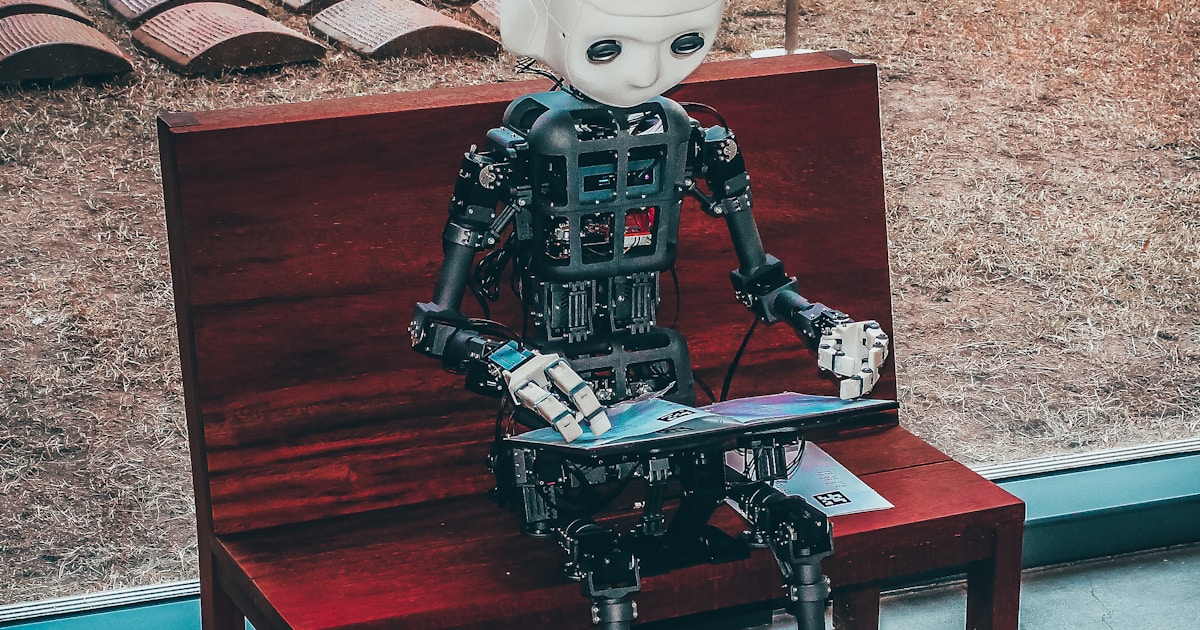
Object manipulation: Picking up, moving, and placing objects based on verbal descriptions. "Put the blue block on the shelf" works reliably.
Multi-step tasks: Following sequences of instructions. "Open the drawer, place the spoon inside, then close the drawer" demonstrates genuine task planning.
Adaptation: Handling unexpected situations. If an object moves or a path is blocked, the robot adjusts without explicit reprogramming.
Learning from demonstration: Show the robot a task once, and it can generalize to similar situations.
These capabilities are not perfect. The robot sometimes drops objects, misidentifies items, or struggles with complex manipulation. But the trajectory is clear and moving fast.
Why This Matters
Robotics has been stuck in a niche for decades. Robots excel in structured environments like factories but fail in unstructured real-world settings. The missing piece was general intelligence. Robots needed to understand the world flexibly, not just follow pre-programmed routines.
Large language models provide that flexibility. They bring common sense reasoning, language understanding, and the ability to handle novel situations. Combining that intelligence with physical actuators creates something genuinely new: robots that understand what humans want and figure out how to do it.
The Industry Response
Google is not alone. Tesla's Optimus robot, Boston Dynamics' latest systems, and several startups are pursuing similar approaches. The race to build commercially viable humanoid robots accelerated dramatically in 2026.
The economic incentive is enormous. Humanoid robots that could work in warehouses, hospitals, stores, and homes represent a market worth hundreds of billions of dollars. The company that cracks general-purpose robot intelligence first will have a massive advantage.
Challenges Ahead
Significant hurdles remain. Battery life limits operating time. Durability concerns persist for real-world deployment. Cost needs to drop significantly for mass adoption. And safety questions about robots operating around humans need thorough answers.
But the fundamental capability, an AI that understands language and controls a physical body, is now proven. The engineering challenges that remain are substantial but solvable.
The future where robots help with physical tasks is not science fiction anymore. It is engineering. And it is happening now.
Comments
No comments yet. Be the first to share your thoughts!
Related Articles


Related Articles
Stay ahead of the curve
Get the latest insights on AI, technology, and innovation delivered weekly.